
You can practice breathwork anywhere with simple techniques like breath awareness, cyclic sighing, or balloon breathing. Find a comfortable spot, focus on your breath or a specific point like your forehead, and slow your inhale and exhale. Techniques such as resonant breathing or Wim Hof rhythm help you relax, boost mood, and stay present throughout the day. Keep exploring these easy methods, and you’ll discover how versatile and empowering breathwork can be anytime you need it.
Key Takeaways
- Practice breath awareness by focusing on your breath and forehead to stay present anytime, anywhere.
- Use cyclic sighing with slow inhalations and exhalations to promote relaxation in any setting.
- Perform Wim Hof breathing cycles for immediate calmness, adjusting rounds and tempo as needed.
- Employ balloon breathing by imagining your belly inflating on inhale and deflating on exhale to engage diaphragmatic breath.
- Try resonant breathing at five breaths per minute for stress relief and mental clarity, suitable for all environments.

Breathwork practices offer simple yet powerful tools to improve mental and physical well-being. You can easily incorporate breathwork techniques into your daily routine to reduce stress, boost mood, and enhance overall health. Central to many of these practices is breath awareness, which involves paying close attention to your breathing patterns. This heightened awareness helps you stay grounded and present, making it an accessible way to manage anxiety and tension without needing special equipment or a dedicated space. Research into the psychological benefits of breath awareness indicates its potential to improve emotional resilience and mental clarity. One effective method is mindful breath awareness, where you focus your attention on a specific point on your forehead while controlling your breathing. Sitting or lying down comfortably, set a timer for five minutes and gently bring your focus to your breath. When your mind wanders—and it will—simply redirect your attention first to your breath and then to the forehead area. Recognizing and normalizing any arising thoughts support a nonjudgmental approach, allowing you to sustain your mindfulness practice. This simple shift in focus can notably lower your respiratory rate and diminish negative emotions, helping you feel calmer and more centered. Another quick and effective breathwork technique is cyclic sighing. This involves slow inhalations through the nose, followed by a second, smaller inhale to fully expand your lungs, and then a slow, complete exhale. Repeat this pattern for about five minutes. The second inhale, being naturally shorter and smaller, promotes relaxation and decreases your respiratory rate. You can perform cyclic sighing sitting or lying down, making it a convenient way to lift your mood and manage stress on the spot. Its simplicity makes it suitable for anyone, whether at home, work, or on the go. The Wim Hof breathing method takes a different approach, involving cycles of deep, full belly breaths followed by breath retention. After completing several rounds—usually three or four—you’ll notice a sense of calm and increased relaxation. This method can induce mild tingling or light-headedness, signs of physiological change, but these are harmless. Its adjustable tempo and cycle count let you tailor the practice to your comfort level, making it accessible for beginners and experienced practitioners alike. Meanwhile, techniques like balloon breathing and resonant or coherent breathing focus on engaging the diaphragm and controlling your breath to promote calmness. Balloon breathing, for example, involves imagining your belly inflating like a balloon on inhale and deflating on exhale, enhancing diaphragmatic engagement. Resonant breathing, where you breathe at about five breaths per minute, optimizes heart rate variability and mental stability. Incorporating these practices into your routine can be as simple as counting your breaths or using tactile feedback, making breath awareness a versatile tool for mental clarity and relaxation anytime, anywhere.

Portable breathing exercise device for lungs, Breathing trainer with Resistance Adjustable, Lung Trainer with excellent quality silicone, Improve Breathing Capacity and Endurance,Easy to Clean and Use
Premium Quality Silicone : Our Breathing Trainer is made of ultra-flexible premium quality silicone to provide comprehensive breathing…
As an affiliate, we earn on qualifying purchases.
As an affiliate, we earn on qualifying purchases.
Frequently Asked Questions
Can Breathwork Help With Anxiety or Panic Attacks?
Yes, breathwork can help with anxiety or panic attacks. Techniques like diaphragmatic breathing activate your vagus nerve, promoting relaxation, while mindfulness meditation increases awareness of your breathing patterns, helping you stay grounded. Regular practice reduces physical tension and calms your nervous system, making it easier to manage panic symptoms. Whether during an attack or daily, these practices empower you to regain control and foster a sense of calm.
Are There Any Risks or Contraindications for Breathwork?
You should know that breathwork isn’t without risks, so a risks assessment and contraindication awareness are key. You might experience dizziness, emotional overwhelm, or physical strain, especially if you have health conditions like asthma, cardiovascular issues, or recent injuries. Always practice with professional guidance and consult your healthcare provider if you have concerns. Staying aware of your limits helps you avoid turning a good practice into a bad experience.
How Long Should Each Session Last for Optimal Benefits?
For ideal benefits, your session duration should align with your experience, goals, and physical ability. Beginners might start with 5-10 minutes, gradually increasing as they get comfortable. Techniques like pranayama work well within 15-20 minutes, while longer methods like holotropic breathing may last 30-60 minutes. Keep your session length manageable and consistent to maximize stress reduction, focus, and overall health improvements.
Can Breathwork Replace Therapy or Medical Treatment?
Think of breathwork as a powerful bridge connecting your mind and body, helping you manage stress and emotional release. While it’s effective for reducing anxiety and improving mood, studies show it’s not a replacement for therapy or medical treatment. Instead, it acts like a supportive companion, enhancing your overall mental health. You may find it best used alongside traditional methods to deepen your emotional resilience and strengthen the mind-body connection.
Is Breathwork Suitable for Children or Pregnant Women?
Yes, breathwork is suitable for children and pregnant women when done properly. For children, it promotes mindfulness, reduces anxiety, and supports emotional regulation, but child safety is essential—sessions should be supervised by trained professionals. Pregnant women benefit from stress reduction and relaxation, with pregnancy-specific techniques. Always seek professional guidance to guarantee safety and effectiveness, tailoring practices to individual needs and health conditions for ideal pregnant benefits and child safety.

Deep Breathing Throw Pillow
This Deep Breathing is for everyone who loves to breath deep to relax, calm down, and relieve stress….
As an affiliate, we earn on qualifying purchases.
As an affiliate, we earn on qualifying purchases.
Conclusion
Now that you’ve discovered these breathwork practices, think of each inhale as planting seeds of calm and clarity within your mind. With every exhale, you’re releasing storms of stress and doubt, making space for peace to bloom. No matter where you are, your breath is your anchor—an invisible thread connecting you to your inner sanctuary. Embrace these simple acts, and watch as your inner garden flourishes, vibrant and resilient, ready to face anything.

Mindsight 'Breathing Buddha' Guided Visual Meditation Tool for Mindfulness | Slow Your Breathing & Calm Your Mind for Stress & Anxiety Relief | Perfect for Adults & Kids (Multicolor, Pebble (Sound))
🧠 Introducing (6) Ambient Nature Sounds: the addition of crashing waves, birds chirping or a strong breeze can…
As an affiliate, we earn on qualifying purchases.
As an affiliate, we earn on qualifying purchases.
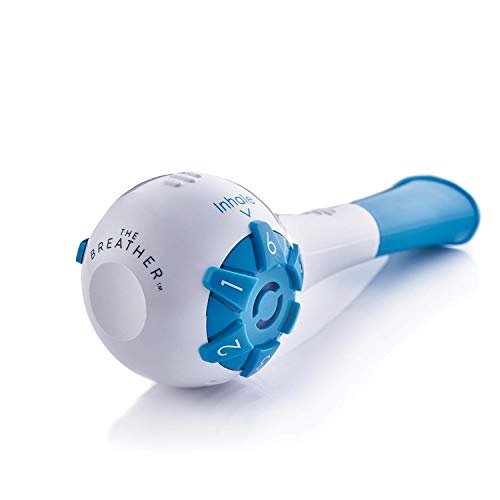
THE BREATHER │ Natural Breathing Exerciser Trainer For Drug-Free Respiratory Therapy │ Breathe Easier with Stronger Lungs │ Guided Mobile Training App Included
EASY TO USE
As an affiliate, we earn on qualifying purchases.
As an affiliate, we earn on qualifying purchases.