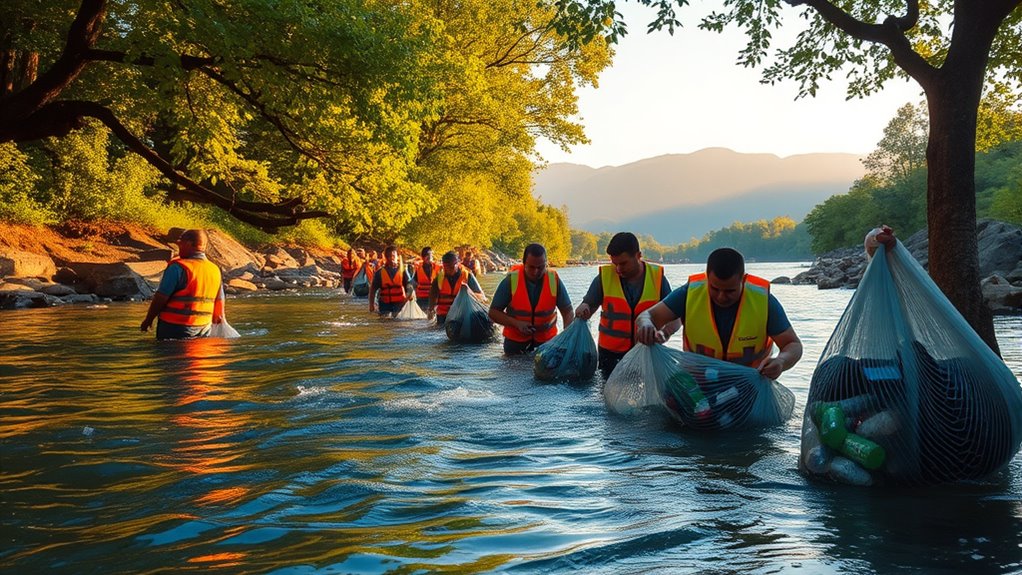

River cleanups play a essential role in revitalizing waterways worldwide by intercepting plastic waste before it reaches the ocean. Through community efforts and innovative filtration systems, you can help reduce plastic pollution that harms marine life and ecosystems. These initiatives not only improve water quality but also promote healthier, more vibrant rivers. If you continue exploring, you’ll discover how these actions create a lasting impact on our planet’s health and future.

Get the latest gadgets delivered free with Prime
- Fast, free delivery on millions of items
- Prime Video, Amazon Music and more included
- Member-only deals all year
Key Takeaways
- Community-led river cleanup projects effectively remove plastic debris, improving water quality and revitalizing waterways globally.
- Innovative filtration systems intercept macroplastics at source, preventing pollution from reaching oceans.
- Data from cleanup efforts informs better placement and operation of river filtration technologies.
- Cost-effective river interventions reduce the need for downstream marine pollution management.
- Global collaborations and grassroots initiatives demonstrate scalable impact in reviving polluted waterways worldwide.
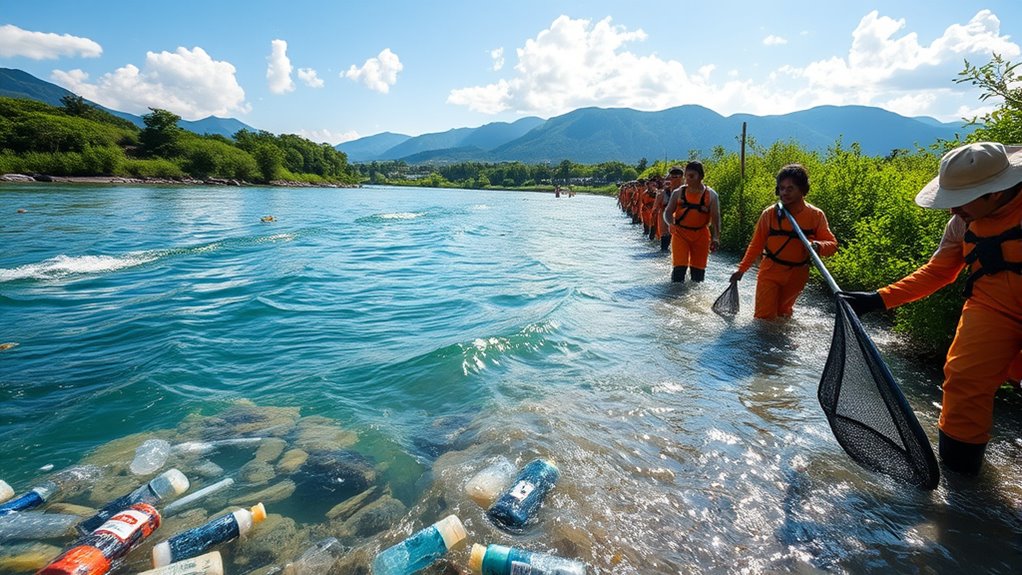
Rivers play a crucial role in maintaining healthy oceans, but each year, nearly 1.95 million metric tonnes of plastic waste flow from rivers into the seas, threatening marine life and ecosystems. This plastic pollution primarily originates from urban waterways, where everyday waste, debris, and macroplastics are carried downstream. This flow of plastic from rivers highlights the importance of intercepting debris at its source to prevent marine pollution. Your efforts in river cleanups can significantly reduce this flow, especially when focusing on plastic filtration strategies that target urban waterways before plastic reaches open water. These initiatives help intercept large debris—macroplastics like bottles, bags, and packaging—reducing the overall volume of waste entering the ocean.
Reducing river plastic flow through targeted cleanup and filtration prevents ocean pollution and protects marine ecosystems.
By participating in or organizing river cleanup projects, you directly contribute to decreasing the amount of plastic pollution. Many communities have adopted innovative techniques, including high-tech automated barriers and simpler low-tech solutions, tailored to specific river conditions. These plastic filtration systems are placed strategically to catch debris as it travels through urban waterways, preventing it from reaching larger bodies of water. When integrated into regular cleanup efforts, such filtration devices not only remove existing waste but also serve as early interceptors, minimizing ongoing pollution. Effective filtration strategies further enhance the efficiency of these interventions by targeting specific types of debris.
The impact of these efforts extends beyond local waterways. Projects led by nonprofits and social enterprises emphasize community autonomy and education, empowering local residents to take ownership of their river health. These groups often share data collected during cleanup activities, helping authorities and organizations understand pollution sources and optimize plastic filtration systems. Over the past few years, such community-led actions have removed millions of kilograms of debris, including hundreds of millions of plastic bottles, from rivers worldwide. This collective effort showcases how grassroots initiatives can scale up to make a global difference.
Technology plays a vital role in intercepting river plastic pollution. The Ocean Cleanup’s Interceptor fleet exemplifies this, with units deployed in several countries, targeting the most polluting rivers. These systems are designed to adapt to river-specific factors like width and flow speed, ensuring efficient plastic filtration. Because intercepting plastic in rivers is more cost-effective than managing marine pollution downstream, these innovations provide a practical solution for tackling the problem at its source. Recent studies support the effectiveness of such technologies, underscoring their potential to drastically reduce plastic flow into the oceans. Additionally, ongoing research helps refine these systems to improve their durability and adaptability in diverse river environments.
As an affiliate, we earn on qualifying purchases.
Frequently Asked Questions
How Can Individuals Start a River Cleanup Initiative Locally?
You can start a river cleanup locally by first selecting an accessible, manageable shoreline section. Then, recruit volunteers through social media outreach, community groups, and local leaders to build a diverse team. Coordinate with local agencies for permissions and trash disposal. Promote the event widely and provide clear instructions. During the cleanup, focus on volunteer coordination and safety, and afterward, share photos and results to inspire ongoing involvement and support.
What Are the Most Effective Tools for Removing Plastics From Waterways?
Think of plastic filtration systems like a net catching fish—effective and essential. Trash skimmers and floating booms are among the most effective tools; they intercept surface plastics before reaching the ocean. These devices, like TerraCycle’s boom-net traps, quickly gather floating debris, while advanced systems like the Ocean Cleanup’s Interceptors efficiently remove tons daily. Using a combination of these tools maximizes plastic removal and keeps waterways cleaner.
How Do River Cleanup Efforts Impact Local Wildlife Health?
River cleanup efforts markedly improve local wildlife health by promoting habitat restoration and pollution mitigation. You’ll see cleaner water that reduces toxins like PCBs and harmful nutrients, which benefits fish and aquatic species. These efforts also restore habitat connectivity, helping animals access spawning grounds and food sources. As a result, ecosystems become more resilient, supporting diverse wildlife populations and fostering healthier habitats for the long-term sustainability of local flora and fauna.
What Funding Sources Are Available for Large-Scale Cleanup Projects?
You can access a mix of money sources for massive river cleanup projects, including government grants like EPA grants, infrastructure investment funds, and state revolving funds. Corporate sponsorships also play a pivotal part, providing additional funding and support. These financial flows fuel large-scale cleanup efforts, helping you restore waterways, remove waste, and revive aquatic ecosystems, all while leveraging public-private partnerships for sustainable success.
How Can Communities Ensure Long-Term Waterway Protection After Cleanup?
To guarantee long-term waterway protection, you should promote sustainable practices and foster ongoing community engagement. Encourage locals to monitor water quality, participate in cleanup events, and adopt eco-friendly habits like reducing chemical use. Educate residents on pollution impacts and involve them in conservation decisions. By building a strong sense of ownership and integrating sustainable land management, you’ll help maintain healthy waterways long after cleanup efforts conclude.
Conclusion
As you participate in river cleanups, you see the stark contrast between polluted waters and vibrant, thriving ecosystems. The effort you put in transforms a dull, trash-filled river into a lively, life-filled waterway. It’s a reminder that your actions can turn despair into hope, pollution into renewal. In reviving our waterways, you not only protect nature but also reconnect with the beauty that rivers are meant to carry us toward.
Halloween Picks
halloween
As an affiliate, we earn on qualifying purchases.