

To protect your family photos, follow the 3-2-1 backup rule: keep three copies of your photos, store two on different types of media like an external drive and USB, and keep one offsite—such as in the cloud. This approach minimizes the risk of losing precious memories due to hardware crashes, theft, or disasters. Want to learn simple ways to implement this system effectively? Keep exploring for practical tips!
Key Takeaways
- Follow the 3-2-1 rule: keep three copies of photos, on two different media types, with one offsite backup.
- Use physical media like external drives for quick access and cloud services for offsite safety.
- Regularly update and rotate backups to protect against hardware failure and obsolescence.
- Store one backup offsite, such as in cloud storage, to safeguard against theft, fire, or natural disasters.
- Combining local and cloud backups provides a comprehensive, easy-to-manage family photo safeguarding strategy.

Have you ever wondered what would happen if your family photos suddenly disappeared? It’s a scary thought, but one that highlights the importance of backing up your precious memories. The key to safeguarding your photos is following a reliable backup strategy, like the widely recommended 3-2-1 rule. This rule is simple: keep three copies of your data, store two on different types of media, and ensure one copy is offsite. By doing this, you drastically reduce the risk of losing everything due to hardware failure, theft, or natural disasters.
Backing up your family photos with the 3-2-1 rule safeguards memories from loss and disaster.
When it comes to the second part of the rule—storing copies on different media—think about the options available. Physical media, such as external hard drives, USB drives, or DVDs, provide tangible backups you can hold in your hand. These are great for quick access and recovery, especially if your internet connection is slow or unreliable. However, physical media can be vulnerable to damage, theft, or obsolescence over time. That’s why it’s essential to rotate and update these backups regularly, ensuring they remain functional and compatible with current technology.
In addition to physical media, cloud storage plays a critical role in modern backup strategies. Cloud services like Google Drive, Dropbox, or OneDrive allow you to upload your family photos securely to remote servers. With cloud storage, your files are stored offsite, protecting them from local threats like fire or flooding. Plus, cloud backups are easily accessible from any device with an internet connection, making it convenient to view or restore your photos whenever needed. Many cloud providers also offer automatic backups, so you don’t have to remember to manually upload new photos. This seamless process ensures that your memories are continuously protected without extra effort on your part.
Combining physical media with cloud storage creates a robust backup plan. You might keep a set of local backups on an external hard drive, updated regularly, while also syncing your photos to the cloud. This way, if one backup fails or gets compromised, you still have multiple secure copies in different locations. Remember, the goal isn’t just to back up your photos once, but to make this a routine practice, ensuring your family’s memories are always safe and accessible.
Protecting your family photos with the 3-2-1 rule might seem formidable at first, but once you establish a system that includes both physical media and cloud storage, it becomes second nature. This approach guarantees that, no matter what happens, your cherished memories won’t vanish, and your family’s history remains preserved for generations to come. Staying informed about media literacy and digital safety best practices can help you avoid common pitfalls and ensure your backups are truly secure.

Seagate Portable 2TB External Hard Drive HDD — USB 3.0 for PC, Mac, PlayStation, & Xbox -1-Year Rescue Service (STGX2000400)
Easily store and access 2TB to content on the go with the Seagate Portable Drive, a USB external…
As an affiliate, we earn on qualifying purchases.
As an affiliate, we earn on qualifying purchases.
Frequently Asked Questions
How Often Should I Update My Family Photo Backups?
You should update your family photo backups at least once a month to keep your photo organization current and secure. Regularly updating your backup schedule guarantees new photos are protected, reducing the risk of loss. Set a reminder or create a routine to review and back up your photos consistently. This way, your cherished memories stay safe, and your backup remains up-to-date, giving you peace of mind.
What Is the Best Storage Device for Long-Term Backups?
The best storage device for long-term backups includes external hard drives and optical discs. External hard drives offer large capacity and ease of use, making them ideal for regular backups. Optical discs, like DVDs or Blu-rays, provide longevity and stability for archival storage. Combining both guarantees your family photos stay safe over time, with external drives for quick access and discs for durable, long-term preservation.
How Can I Ensure My Backups Are Secure From Cyber Threats?
Think of your backups as a fortress; you need strong defenses to keep cyber threats out. You can guarantee security by applying robust encryption protocols and setting strict access controls. Regularly update your software, use complex passwords, and enable multi-factor authentication. These steps lock down your data like a vault, making it nearly impossible for hackers to breach your family photos and other backups. Stay vigilant and keep your priceless memories safe.
Are Cloud Backups Safe for Sensitive Family Photos?
Cloud backups can be safe for sensitive family photos if you prioritize cloud security and address privacy concerns. Choose reputable providers that use strong encryption and have transparent privacy policies. Regularly update your passwords and enable two-factor authentication to enhance security. While no system is completely immune, taking these precautions minimizes risks, so you can enjoy the convenience of cloud storage without compromising your family’s precious memories.
What Are Common Mistakes to Avoid With Photo Backups?
Avoid neglecting photo organization, which can lead to lost or duplicated files during backups. Don’t rely solely on one storage method; guarantee backup redundancy by using both local and cloud options. Also, forget to update backups regularly, risking data loss. Keep your photos well-organized, verify backup integrity periodically, and maintain multiple copies across different platforms. These steps help prevent common mistakes and protect your precious memories effectively.

Adobe Creative Cloud Pro STE | Student & Teacher Edition | 20+ creative apps plus 100GB Storage |12-Month Subscription | PC/Mac
Best value – Over 60% off the world's leading pro creativity tools. Students and teachers get 20+ industry-leading…
As an affiliate, we earn on qualifying purchases.
As an affiliate, we earn on qualifying purchases.
Conclusion
By following the 3-2-1 rule, you create a safety net for your precious family memories, ensuring they’re protected like a treasure chest. Think of your backups as a sturdy lighthouse guiding your photos safely through any storm. Don’t leave your memories adrift in digital chaos—organized, multiple copies keep them safe and sound. So, take action today and make your family photo backups as reliable as a trusted friend, preserving your stories for generations to come.

128GB Flash Drive Aiibe USB Flash Drive 128 GB Thumb Drive USB 2.0 Memory Stick Zip Drive Backup Jump Drive Single 128GB 128G USB Drive for PC Laptop
Large Data Storage Capacity: Flash Drive with 128GB capacity, meet your needs of daily use on work, school,…
As an affiliate, we earn on qualifying purchases.
As an affiliate, we earn on qualifying purchases.
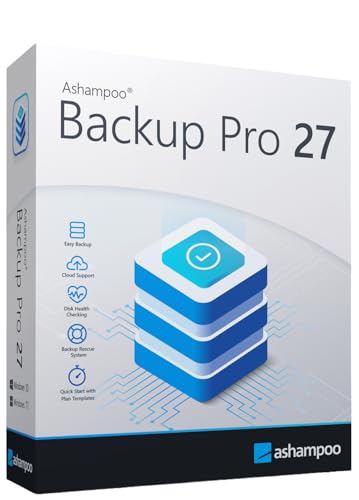
Backup Pro 27 – Full system backup – restore – rescue – image – recover for Win 11, 10
KEEP YOUR SYSTEM SAFE – protect your computer from data loss in case of malware, system flaws or…
As an affiliate, we earn on qualifying purchases.
As an affiliate, we earn on qualifying purchases.