You keep rallying around school and playground projects because you see them as essential spaces where kids can grow, learn, and feel safe. Your community’s support stems from a shared belief in creating welcoming, safe environments that foster bonds and promote development. Even when funding challenges arise, collective effort, enthusiasm, and local engagement help keep these projects alive. If you want to discover how community bonds and strategies sustain these efforts, keep exploring this connection.

Get the latest gadgets delivered free with Prime
- Fast, free delivery on millions of items
- Prime Video, Amazon Music and more included
- Member-only deals all year
Key Takeaways
- Community members see school and playground projects as essential for children’s growth, safety, and community well-being.
- Collective involvement fosters a sense of ownership and emotional connection to the projects.
- Support persists despite funding challenges through fundraising, donations, and local partnerships.
- Engagement builds trust, networks, and awareness, increasing chances of securing resources.
- Projects strengthen community bonds, resilience, and create lasting benefits for future generations.
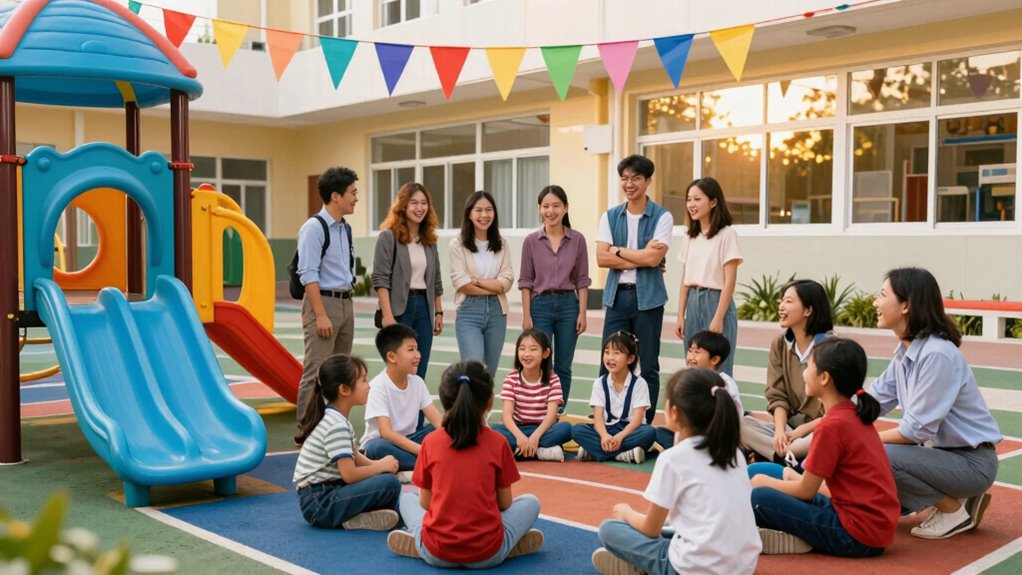
Whenever a new school or playground project is proposed, community members often come together to support it fervently. You might notice neighbors, parents, teachers, and local leaders rallying behind the cause, eager to see improvements that benefit everyone. But behind this enthusiasm, there are real hurdles—most significantly funding challenges—that can slow down or even halt progress. Despite these obstacles, community engagement remains a powerful force. It’s what keeps projects alive and pushes them forward, even when money is tight.
Funding challenges are a common reality in school and playground initiatives. You may see fundraising events, grant applications, or appeals for donations, all aimed at bridging the financial gap. It’s frustrating at times because costs can skyrocket unexpectedly, and budgets often fall short. Still, community members refuse to give up. They understand that investing in local schools and play areas creates long-term benefits, so they find ways to pool resources, rally local businesses, and seek governmental support. Their collective effort often turns the tide, transforming a seemingly insurmountable financial hurdle into a shared goal.
Community engagement plays an essential role in maintaining momentum. When you get involved—whether by attending meetings, volunteering your time, or spreading awareness—you help build a sense of ownership and shared responsibility. People realize that these projects aren’t just about infrastructure; they’re about creating spaces where children can learn, play, and grow safely. This emotional connection fuels enthusiasm and encourages ongoing participation, which is indispensable when facing setbacks. Community members often organize events or campaigns that bring neighbors together, reinforcing the importance of these projects and demonstrating that they’re worth fighting for.
Your involvement also helps attract additional resources. Local businesses might contribute supplies or sponsorships, while local media coverage can raise awareness and garner broader support. This kind of community engagement builds networks of trust and collaboration, which are imperative when tackling funding challenges. The more people rally around these projects, the more likely they are to secure grants, donations, and other forms of support that might otherwise be out of reach.
Additionally, understanding the significance of community bonds can inspire even greater participation and support for these initiatives. In the end, it’s this collective effort—driven by community engagement and a shared belief in the value of better schools and playgrounds—that keeps these projects alive. Funding challenges test your resolve, but they also highlight the strength of community bonds. When everyone works together, they turn obstacles into opportunities, creating lasting improvements that benefit generations to come.
Products Worth Considering

Bose QuietComfort Headphones (2nd Gen) – Wireless Over-Ear Noise Cancelling Headphones, Eucalyptus Green

Apple Watch SE 3 GPS 40mm Smartwatch

LG UltraGear 34-Inch Curved QHD Gaming Monitor, 160Hz, FreeSync Premium
As an affiliate, we earn on qualifying purchases.
Frequently Asked Questions
How Do Funding Shortages Impact School and Playground Projects?
Funding shortages hit school and playground projects hard, causing delays or cancellations. When budget constraints tighten, you might see fewer improvements or new equipment, making spaces less safe and engaging. Funding gaps limit resources, forcing schools to prioritize basic needs over upgrades. This affects students’ learning environments and their overall experience, making community support essential to bridge the financial gaps and keep these projects alive and thriving.
What Role Do Local Governments Play in These Projects?
Imagine local governments as the roots anchoring a mighty tree—you rely on them to nurture growth. They play an essential role by providing policy support and fostering community engagement. Their decisions fund, approve, and oversee projects, turning visions into reality. Without their backing, efforts can falter like leaves in the wind. Their active involvement ensures schools and playgrounds flourish, creating safe, inspiring spaces where communities thrive.
How Can Communities Ensure Long-Term Maintenance of New Facilities?
To guarantee long-term maintenance, you should foster community engagement by involving residents in upkeep decisions and volunteer support programs. Encourage local groups to take ownership, organize regular clean-up events, and establish maintenance committees. By actively engaging community members and promoting volunteer efforts, you create a sense of shared responsibility, ensuring that the facilities stay in good condition and remain beneficial for years to come.
What Are Common Challenges Faced During Project Implementation?
Implementing school and playground projects can feel like steering through a maze. You might face challenges like securing funding, coordinating with diverse stakeholders, or managing delays. Community engagement is essential to gather support, while design collaboration guarantees the project meets everyone’s needs. Overcoming these hurdles requires clear communication, flexibility, and a shared vision, turning obstacles into stepping stones toward creating vibrant spaces that truly serve your community.
How Do These Projects Influence Student Performance and Wellbeing?
You’ll notice that these projects boost student engagement, making classrooms more lively and encouraging participation. They also positively impact mental health by providing safe, inviting spaces where students can relax and connect. As a result, students often perform better academically, feel more confident, and experience less stress. Overall, school and playground projects foster a supportive environment that nurtures both academic success and emotional wellbeing.
Conclusion
So, next time you see a new swing set or a shiny new classroom, remember—your enthusiasm isn’t just about fun or education. Nope, it’s really about community spirit, budget debates, and the thrill of fighting over who gets the biggest slice of the funding pie. After all, what’s more exhilarating than rallying for a playground? Because, clearly, nothing beats a good old-fashioned showdown over slides and swings. Long live the playground revolution!