
TL;DR

Get the latest gadgets delivered free with Prime
- Fast, free delivery on millions of items
- Prime Video, Amazon Music and more included
- Member-only deals all year
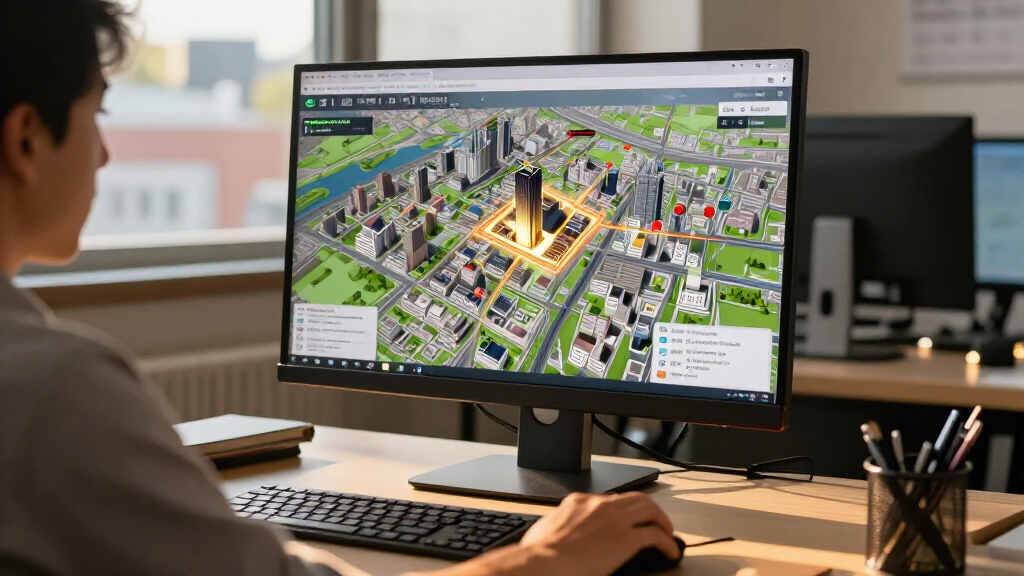
Permit Pending is a free, browser-based city simulation that makes players elected mayors rather than all-powerful planners. Its projects can face public hearings, council votes, appeals and lawsuits, while the city’s economy and election cycles continue to evolve.
Permit Pending, a free browser-based city-building game, puts players in the role of an elected mayor whose plans must pass through zoning reviews, public hearings, objections and appeals. The game’s central twist is that building housing, transit or industry does not guarantee construction: players must also negotiate with residents, win council votes and face reelection.
The game’s website describes Permit Pending as a city simulation in the tradition of classic city-builders, with a focus on the political process behind development. Players can propose projects, offer concessions at hearings and use political clout to pursue votes on a seven-seat council. Some cases may continue beyond a mayor’s term, according to the site.
Its example housing dispute follows a proposed 12-story apartment building on a rezoned lot. Nearby homeowners organize over parking and neighborhood character; after a hearing, the mayor trades building height for parking. The smaller project becomes less financially viable, leading the developer to request a tax break, while housing advocates object to the reduced number of affordable units. An appeal and lawsuit delay the project as rents continue to rise.
Permit Pending says its simulation tracks residents’ ages, incomes and homes alongside businesses, employment, land values, rents, taxes and services. The site also describes heatmaps, graphs and plain-language explanations of voter reaction, plus a fictional local newspaper, The Gazette. Players can start with a hamlet or take over an existing city. The game has no campaign ending or conventional win screen; reelection occurs every four years.
City Building Meets Electoral Pressure
The game frames local development as a conflict between economic needs and political constraints, rather than a sequence of construction choices made by an all-powerful player. A housing plan can be altered by objections and procedure, while concessions may change its cost or affordability. The example makes clear that delay itself has consequences: the city’s rents and voter concerns keep changing while a proposal is under review.
That design may appeal to players interested in the gap between proposing infrastructure and getting it built. Permit Pending’s stated mechanics connect development decisions to who votes, what they want and how long approvals take. The game does not establish that its model predicts real-world outcomes, but it offers a playable way to explore competing priorities around housing, transport, industry and neighborhood concerns.
As an affiliate, we earn on qualifying purchases.
From Zoning Proposal to Election
The project’s tagline, “Build the city of your dreams. Subject to approval,” captures its shift from conventional city-building. Instead of treating public opposition as a simple obstacle, the game describes hearings, recurring characters, council votes and legal challenges as parts of the main play loop.
The site’s sample case spans nearly four years, from a tech boom that pushes rents upward to an election in month 48. It is presented as an illustrative scenario, not evidence about a specific real city or a report of an actual permitting dispute. The game offers both a starting hamlet and an inherited city, while its sandbox continues without a final victory screen.
“You are the mayor. You know exactly what this city needs. Now get it past the zoning board, the neighbors, the appeals court and the next election.”
— Permit Pending website
Launch Details and Game Scope
The source page identifies the game as free and playable in a browser, but does not provide a launch date, developer statement, platform beyond desktop and laptop browsers, or details about the simulation’s technical model. It says saves remain on the player’s computer and that the game works offline after an initial visit; those are claims from the project’s own website.
It is also unclear how much of the described system is represented in the playable version, how outcomes are calculated, or whether the game will receive updates. The source does not provide independent reviews, player numbers or evidence that its economic mechanics correspond to any particular city’s real permitting process.
Try the Browser Sandbox
Players can access Permit Pending through its project website, which says the game requires no account or download and supports current versions of Chrome, Edge, Firefox and Safari on a desktop or laptop. A mouse is recommended. The site says the first visit requires an internet connection, with offline play available afterward.
No future release dates or planned milestones are listed in the supplied material. For now, the next step for interested readers is to try a city scenario and see how the game handles hearings, concessions, council votes and the next four-year election.
Key Questions
What is Permit Pending?
Permit Pending is a city-building simulation in which players act as elected mayors. Development proposals can face zoning reviews, hearings, objections, appeals and lawsuits.
Is the game free, and do I need to download it?
The project website describes it as free and playable in a browser, with no account or download required. It says saves stay on the player’s computer and offline play is available after the first visit.
Can players win the game?
The site says there is no campaign ending or win screen. The sandbox continues, with reelections every four years and the challenge of staying in office long enough to pursue city plans.
What kinds of decisions do players make?
Players can propose housing, transit and industry projects, negotiate concessions at public hearings, seek votes on a seven-seat council and manage political clout. The simulation also tracks residents, businesses, rents, jobs, taxes and services, according to the website.
Source: hn
Halloween Picks
halloween
As an affiliate, we earn on qualifying purchases.