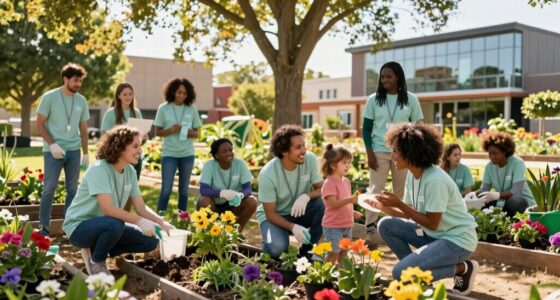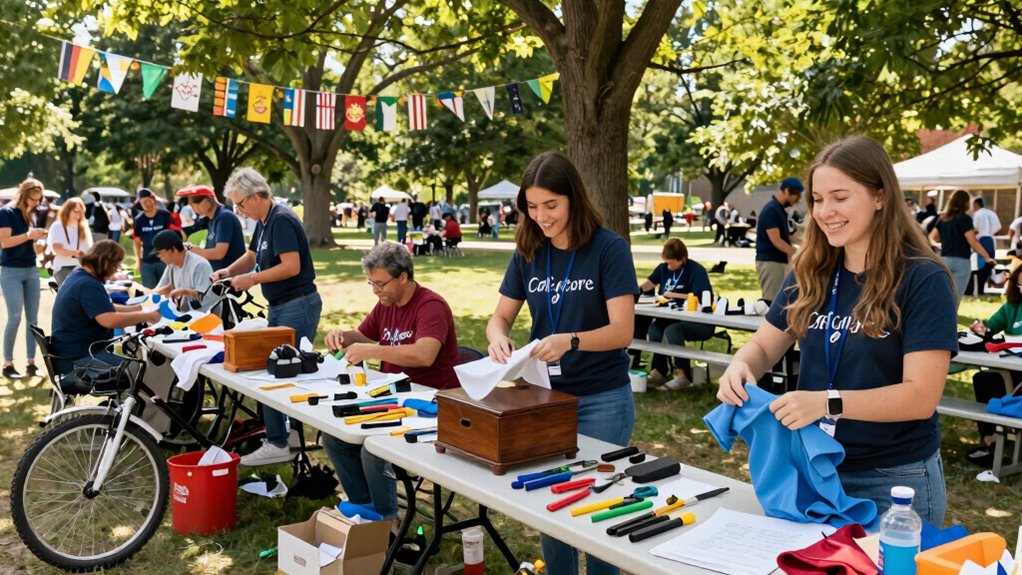

Community repair events do more than save you money; they promote environmental sustainability by reducing waste and extending product lifespans. They strengthen social bonds through collaboration and skill-sharing, creating a sense of belonging. These gatherings foster a mindset shift towards resourcefulness and collective responsibility. Additionally, they build community resilience and raise awareness about sustainable practices. If you want to discover how these events can create a ripple effect beyond just individual savings, keep exploring.

Get the latest gadgets delivered free with Prime
- Fast, free delivery on millions of items
- Prime Video, Amazon Music and more included
- Member-only deals all year
Key Takeaways
- They promote environmental sustainability by reducing waste and extending the lifespan of belongings.
- They foster social bonds and community cohesion through collaborative repair efforts.
- They develop practical skills, empowering individuals to repair and reuse items independently.
- They inspire a mindset shift towards collective responsibility for environmental health.
- They strengthen community resilience by encouraging resourcefulness and shared environmental stewardship.
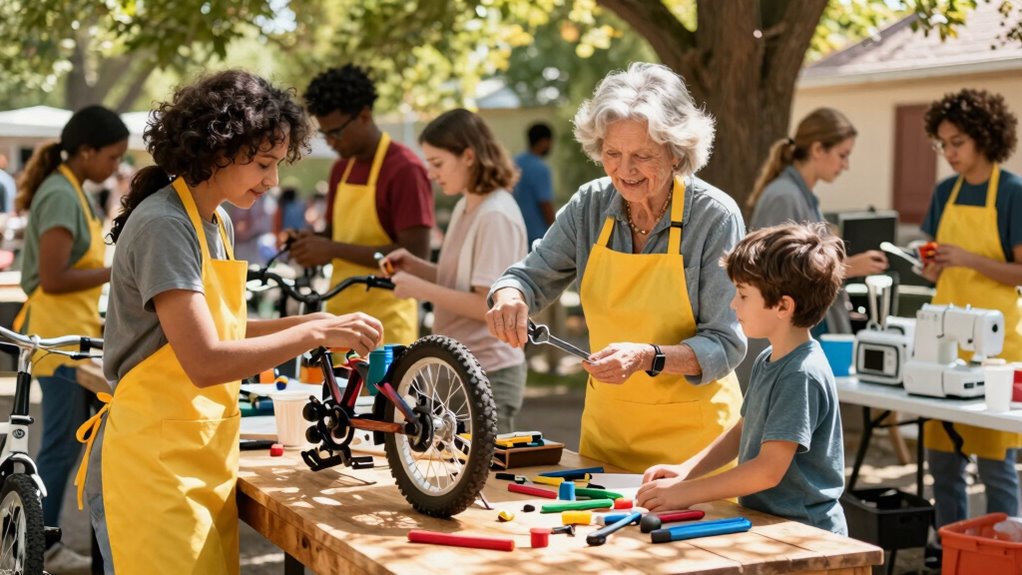
Have you ever wondered how communities come together to reduce waste and promote sustainability? One powerful way they do this is through community repair events. These gatherings are more than just a chance to fix broken items; they foster sustainable practices that benefit the environment and strengthen social bonds. When you participate in a repair event, you’re actively contributing to a culture of reuse and resourcefulness. Instead of discarding damaged belongings, you learn how to repair them, extending their lifespan and reducing the demand for new products. This shift in mindset promotes sustainable practices that can ripple through your entire community.
Community repair events promote sustainability and social bonds by encouraging reuse, resourcefulness, and collective action.
Social engagement plays a central role in these events. As you work alongside neighbors, volunteers, and local experts, you build relationships based on shared goals and mutual support. Repair events encourage collaboration, making sustainability a collective effort rather than an individual chore. Through conversation and teamwork, you gain new skills and insights, empowering you to take on future repairs independently. This sense of community not only enhances social cohesion but also creates an environment where sustainable habits are normalized and celebrated. When people see their neighbors actively participating, they’re more likely to join in, multiplying the positive impact.
Beyond the immediate environmental benefits, community repair events save more than money. By fixing items instead of replacing them, you cut down on the cost of purchasing new goods and reduce waste sent to landfills. This economic saving extends to families and individuals who might otherwise struggle with the expense of replacements. But the true value lies in the knowledge and confidence gained. You learn practical skills—how to mend a leaky faucet, sew a torn bag, or repair a broken appliance—skills that foster self-reliance. These skills can lead to a more sustainable lifestyle, where you’re mindful of resource use and waste reduction in everyday life. Additionally, fostering community resilience through shared efforts can help communities better adapt to environmental challenges. Recognizing that waste reduction is a key component of sustainability can motivate more widespread participation and impact.
Moreover, these events inspire a mindset shift. You start to see repair and reuse not just as chores, but as meaningful acts that contribute to a healthier planet and a stronger community. The collective effort demonstrates that sustainability isn’t just about individual choices; it’s about working together to create systemic change. In this way, community repair events become catalysts for broader social engagement and environmental consciousness. They remind us that addressing environmental issues is a shared responsibility, and that together, we can make a lasting difference—beyond just saving money, we save community spirit and the future of our planet. Recognizing the importance of community repair can motivate more widespread participation and impact. Additionally, fostering awareness about sustainable practices helps to build a more environmentally conscious community that values resourcefulness.
home repair tool kit with screwdriver pliers wrench and hammer
As an affiliate, we earn on qualifying purchases.
As an affiliate, we earn on qualifying purchases.
Frequently Asked Questions
How Do Community Repair Events Impact Local Economies Long-Term?
You see, community repair events boost local economies long-term through economic revitalization and local business support. By encouraging residents to repair instead of replace, you help keep money circulating within your community. Local businesses benefit from increased traffic and sales, creating jobs and fostering growth. Over time, this sustainable approach strengthens community ties and encourages investment, making your neighborhood more resilient and prosperous well into the future.
What Skills Do Volunteers Typically Learn at Repair Events?
Imagine wielding a mighty wrench like a hero in a DIY saga. At repair events, you typically learn essential DIY skills and sharpen your problem-solving abilities. You’ll master fixing broken furniture, diagnosing appliance issues, and steering tools with confidence. These skills empower you to tackle future repairs independently, saving money and reducing waste. Plus, you’ll gain a sense of accomplishment, turning everyday problems into opportunities for creative solutions.
How Can I Start a Community Repair Event in My Neighborhood?
To start a community repair event, first gather neighbors interested in DIY techniques and tool sharing. Find a suitable location like a community center or park, then promote the event through flyers, social media, or local groups. You’ll need basic tools, safety gear, and a plan for repairs. Encourage volunteers to share skills, foster teamwork, and create a welcoming environment. With passion and organization, your neighborhood can save money and build stronger connections.
Are There Environmental Benefits Beyond Waste Reduction?
Think of community repair events as seeds of environmental awareness that grow into sustainability practices. Beyond waste reduction, they improve air and water quality by decreasing pollution associated with manufacturing and disposal. You foster a culture of mindful consumption, encouraging neighbors to value durability over disposability. This collective effort nurtures a healthier ecosystem, making your neighborhood a greener, more resilient place where environmental benefits blossom from every repaired item.
How Do Repair Events Foster Social Connections Among Residents?
At repair events, you actively participate in neighborly bonding by working alongside residents to fix items, which naturally builds trust. As you collaborate on repairs, you share stories and experiences, fostering a sense of community. This shared effort creates lasting connections, making residents feel more comfortable and connected. Through these interactions, repair events become a vibrant space for strengthening social ties and cultivating a supportive neighborhood environment.
Conclusion
Just like a sturdy bridge connects two places, your participation in community repair events links neighbors and ideas, strengthening the fabric of your neighborhood. Every repaired bicycle, mended lamp, or fixed appliance is a brick in this bridge—building trust, sharing skills, and fostering resilience. When you join in, you’re not just fixing things; you’re weaving a tapestry of connection and hope that supports everyone, now and in the future. Your involvement truly keeps the community alive and thriving.
Fall Picks
fall essentials
As an affiliate, we earn on qualifying purchases.