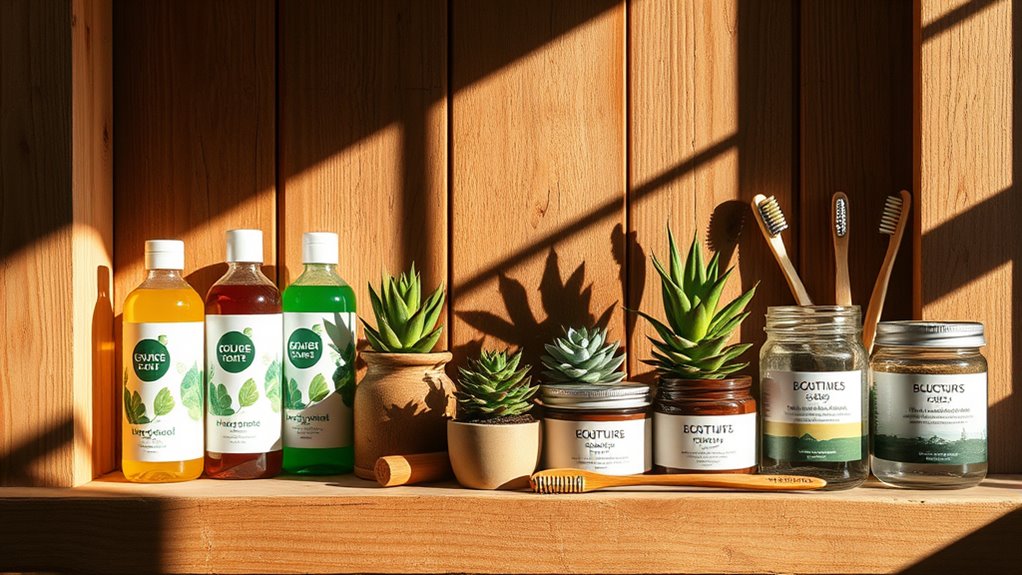

To choose climate-friendly self-care products, look for brands that prioritize eco-conscious ingredients, sustainable packaging, and transparent sourcing. Opt for products made with plant-based, organic ingredients and avoid harmful chemicals like parabens and sulfates. Recyclable or biodegradable packaging and refillable containers are also key. Supporting companies committed to reducing waste and emissions helps protect the environment. Keep exploring to discover more tips on making eco-friendly choices that benefit both you and the planet.
Key Takeaways
- Opt for brands with transparent, eco-friendly ingredient sourcing, such as organic, plant-based, or certified options.
- Choose products packaged in recyclable, biodegradable, or minimal packaging to reduce environmental impact.
- Avoid harmful ingredients like parabens, phthalates, and sulfates, favoring biodegradable formulas made from renewable resources.
- Support companies committed to sustainable manufacturing practices and zero-waste initiatives.
- Prioritize certifications like USDA Organic or EWG Verified to verify eco-conscious claims and ingredient safety.

As more consumers prioritize environmental health, choosing climate-friendly self-care products has become essential. You’re no longer just looking for effective skincare or haircare—you want products that align with your values, minimize environmental impact, and are transparent about their ingredients and packaging. This shift has spurred innovation in packaging and ingredient sourcing, making it easier for you to make eco-conscious choices.
Packaging innovations play a pivotal role in reducing waste and pollution. The personal care industry has historically relied heavily on plastic, but now brands are exploring alternatives like biodegradable materials, refillable containers, and minimal packaging designs. The eco-friendly packaging market is projected to grow notably, reflecting a clear industry shift towards sustainability. When shopping, look for brands that use recycled or compostable packaging, which helps lower your carbon footprint and reduces plastic waste ending up in landfills and oceans. Many companies are also adopting zero-waste initiatives, encouraging consumers to reuse containers or return packaging for recycling, further supporting a circular economy. The demand for sustainable packaging is driven by consumer awareness of environmental issues, leading brands to innovate in eco-friendly materials and design. Incorporating eco-conscious manufacturing practices into their operations further reduces environmental impact and enhances brand credibility.
Choose brands with recyclable, biodegradable packaging to reduce waste and support sustainability efforts.
Ingredient sourcing is equally essential in the move toward climate-friendly self-care products. You should prioritize products with plant-based, organic, and naturally derived ingredients, as these typically have a lower environmental impact compared to synthetic chemicals. Ingredients like vegetable oils, bio-catalytic esters, and microbial fermentation are replacing petrochemicals in formulations, promoting sustainability. For example, natural emollients such as plant-derived squalane hydrate your skin without contributing to environmental degradation. These ingredients are often sustainably sourced, meaning they are harvested responsibly, with minimal ecological disruption, and often certified by organizations like USDA Organic or EWG Verified. This transparency helps you identify products that genuinely support eco-friendly practices, avoiding those that make false claims or fall into greenwashing.
Avoid ingredients linked to health and environmental risks, such as parabens, phthalates, sulfates, and artificial fragrances. Instead, opt for biodegradable formulas made from renewable resources. Certifications are your best guide—look for seals that verify sustainable ingredient sourcing and eco-conscious manufacturing. As you become more aware, you’ll notice that brands emphasizing transparent ingredient sourcing and innovative packaging are gaining trust and popularity. Many consumers are willing to pay a premium for these products because they align with a broader desire to protect the planet while caring for personal health.
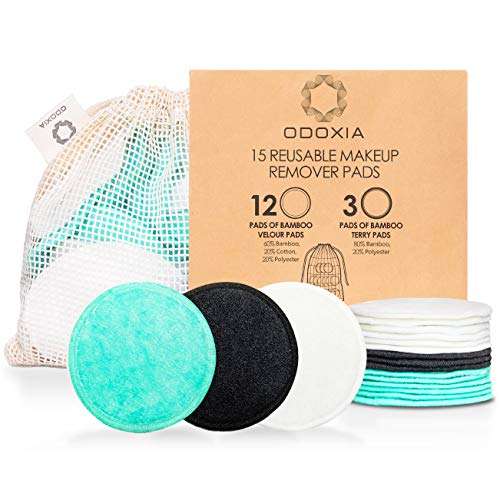
Reusable Makeup Remover Pads | Eco Friendly & Zero Waste Cotton Rounds | Beauty Products | 15 Natural & Organic Face Pads with Laundry Bag | Soft for All Skin Types | Bamboo Wipes for Facial Cleansing
【FEEL FRESH, HEALTHY AND CLEAN】: Wouldn’t you love to feel fresh and clean in seconds? These super fluffy…
As an affiliate, we earn on qualifying purchases.
As an affiliate, we earn on qualifying purchases.
Frequently Asked Questions
How Do I Verify a Product’s Carbon Footprint?
To verify a product’s carbon footprint, you should look for credible carbon footprint labels backed by third-party verification. Check if the product has undergone a thorough product lifecycle analysis, covering raw materials, manufacturing, and disposal. Reliable verification ensures transparency and accuracy, helping you trust the environmental claims. Use tools and standards like ISO 14067 or PAS 2050 to confirm the verification process, making sure the footprint info is trustworthy and well-documented.
Are Organic Ingredients Always Eco-Friendly?
Organic ingredients aren’t always perfectly eco-friendly, but they’re a huge step towards greener living. You might think they’re completely sustainable, yet some organic products still use synthetic preservatives and come in plastic packaging, which harms the environment just as much as conventional options. To truly minimize your impact, look for brands that avoid plastics and synthetic additives, embracing eco-friendly packaging and natural preservatives instead.
What Certifications Indicate a Climate-Friendly Product?
You can look for certifications that indicate a climate-friendly product, like those focused on sustainable sourcing and eco label standards. Certifications such as Rainforest Alliance, FSC, and GOTS guarantee raw materials are sustainably sourced. Eco label standards like ECOLOGO and Green Seal verify energy efficiency and waste reduction. These labels show the product meets strict environmental criteria, helping you make eco-conscious choices that reduce your carbon footprint.
How Can I Reduce Packaging Waste When Buying Self-Care Items?
Imagine you buy shampoo in a refillable container, which cuts down on single-use plastic. You can also opt for bulk purchasing to reduce packaging waste, buying larger quantities in minimal or no packaging. Always choose products with minimal or biodegradable packaging, and support brands that encourage reuse or offer package-free options. These simple choices help you cut waste, lessen pollution, and make your self-care routine more sustainable.
Do Climate-Friendly Products Cost More Than Conventional Options?
You’ll find climate-friendly products generally cost more than conventional options, with a price comparison showing a 75-85% premium due to ethical sourcing and eco-friendly manufacturing. To make informed choices, look for brand transparency about their costs and sustainability efforts. While the higher price might seem steep, consider long-term savings from durability and refill programs. Understanding these factors helps you balance your budget with your environmental values.

Garnier Fructis Pure Clean Purifying Shampoo, Silicone-Free, 12.5 Fl Oz, 1 Count (Packaging May Vary)
Remove up to 100% of residue with our lightweight shampoo and purify your hair for beautiful, softer strands…
As an affiliate, we earn on qualifying purchases.
As an affiliate, we earn on qualifying purchases.
Conclusion
So, next time you reach for your self-care essentials, think beyond just what feels good. Will you choose the products that protect our planet or ones that harm it? The choice is in your hands, and every small decision counts. Are you ready to make a change that could ripple far beyond your bathroom? The future of self-care—and our planet—depends on what you decide now. Will you step up and make a difference?

MRS. MEYER'S CLEAN DAY Moisturizing Body Wash for Women and Men, Shower Gel Formula Made with Essential Oils, Lavender, 16 oz
Moisturizing body wash leaves skin feeling smooth, soft, and refreshed
As an affiliate, we earn on qualifying purchases.
As an affiliate, we earn on qualifying purchases.

Wild Aluminum Free Deodorant Starter Kit – Refillable Stick Deodorant with Purple Applicator Case & Vegan Refill Variety Pack – Fresh Cotton & Sea Salt, Cherry Blossom and Coconut & Vanilla Scents
REFILLABLE DEODORANT: Our sleek and stylish-looking Purple deodorant case is reusable and made from durable aluminum and recycled…
As an affiliate, we earn on qualifying purchases.
As an affiliate, we earn on qualifying purchases.